
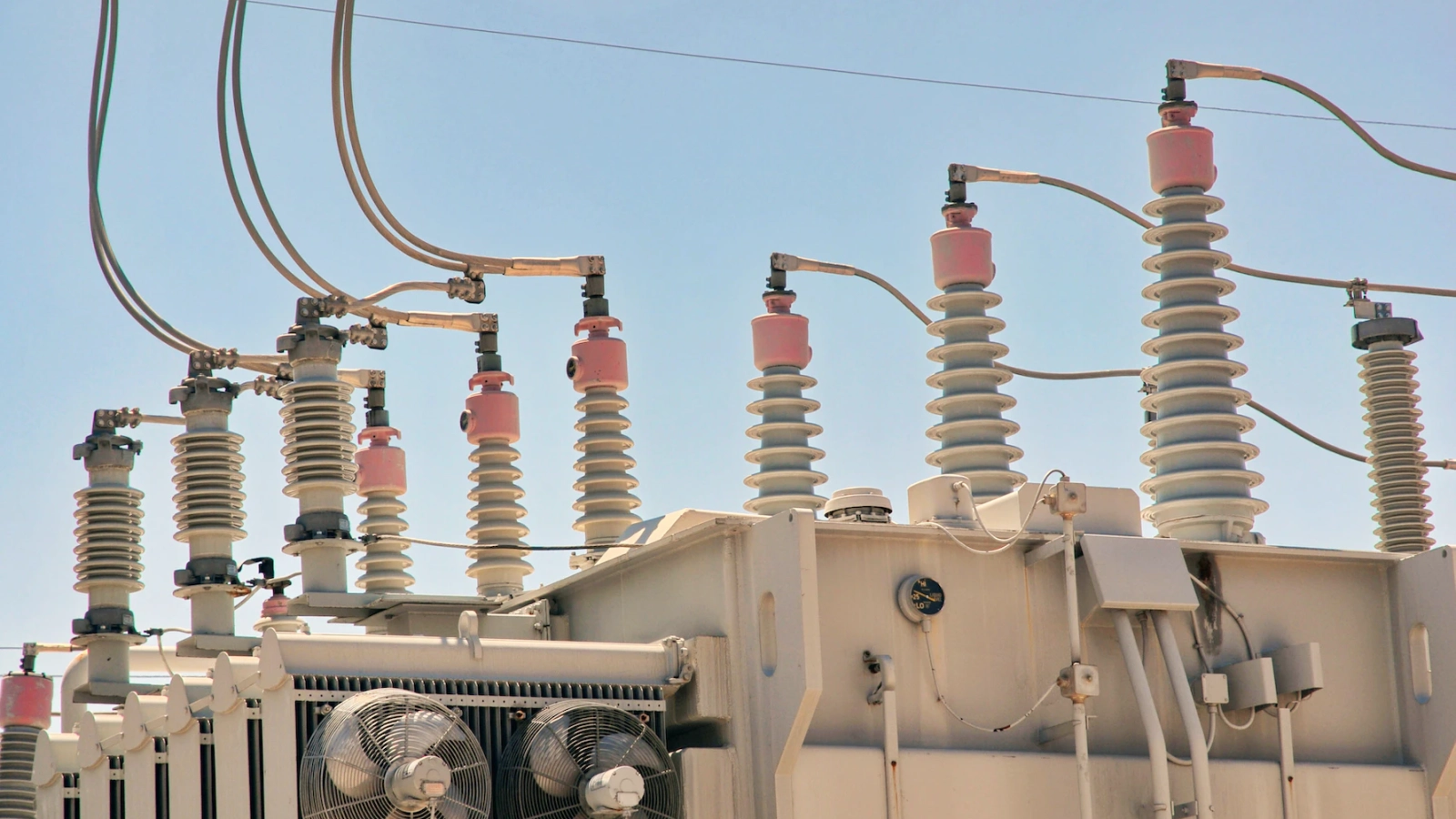
What is a Transformer? Electrical Transformer Working Principle and Types
A transformer, also known as an electrical transformer or power transformer, is a static electrical device that transfers electrical energy from one voltage level to another. Transformers play a critical role in the generation, transmission, and distribution of electrical power.
An electrical transformer, commonly known as a power transformer or simply a transformer, is a static electrical device that transfers electrical energy from one voltage level to another through electromagnetic induction. Transformers are one of the most critical components in modern power systems because they enable efficient generation, long-distance transmission, and safe distribution of electrical energy.
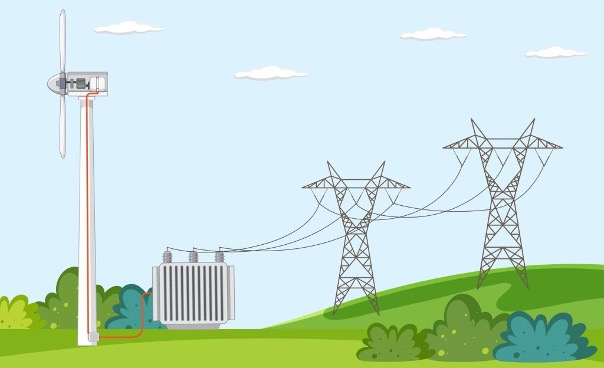
Electricity is generated at power plants at relatively low voltages. To transmit this energy over long distances with minimal losses, the voltage must be significantly increased. At the consumption end, this high voltage needs to be reduced to safe and usable levels for homes, factories, and commercial buildings. This voltage conversion process is made possible by transformers.
What is a transformer and why is it so important? Without transformers, it would be impossible to transmit large amounts of electrical power economically over hundreds of kilometers or to safely deliver electricity to end users at appropriate voltage levels.
Working Principle of Transformer
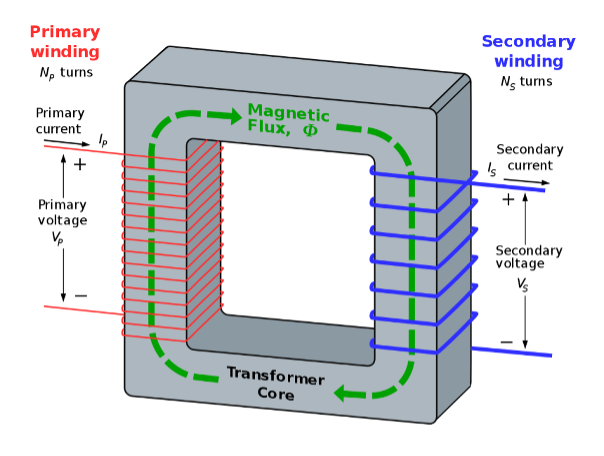
The working principle of transformer is based on Faraday’s Law of Electromagnetic Induction. A transformer consists of two main windings — the primary winding (input side) and the secondary winding (output side) — wound around a common magnetic core made of laminated silicon steel sheets.
When an alternating voltage is applied to the primary winding, it creates a changing magnetic field in the core. This magnetic flux links with the secondary winding and induces an electromotive force (EMF). The voltage induced in the secondary winding depends on the turns ratio between the primary and secondary windings.
- If the secondary winding has more turns than the primary, the output voltage increases → step up transformer
- If the secondary winding has fewer turns than the primary, the output voltage decreases → step down transformer
Power remains approximately constant (P = V × I), while voltage and current change inversely. This fundamental relationship allows transformers to efficiently manage voltage levels throughout the power grid while minimizing energy losses.
Advantages of Transformers
Transformers offer several important advantages compared to other electrical machines:
- No moving parts, resulting in very high reliability and low maintenance
- Extremely high efficiency, often reaching 99% or higher
- Excellent voltage regulation
- Ability to handle very high power ratings
- Long operational life with proper maintenance
Because transformers have no rotating components, they experience significantly less mechanical wear and can operate continuously for decades with minimal intervention.
Types of Transformer
Transformers are classified in several ways depending on their construction, cooling method, and application.
According to Number of Phases:
- Single-phase transformers are commonly used in residential applications, small loads, and electronic circuits.
- Three-phase transformers are the standard in power generation, transmission, and industrial distribution systems due to their higher efficiency and power handling capability.
According to Cooling and Insulation Method:
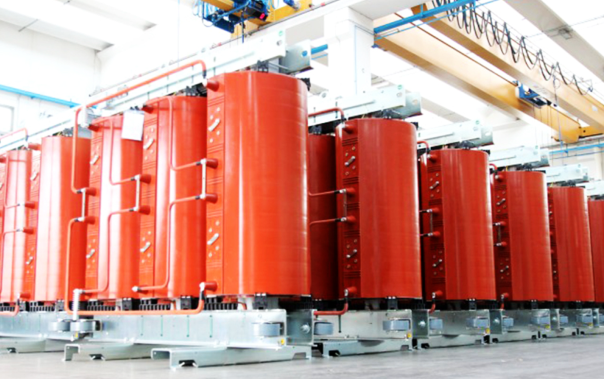
- Dry type transformers use air or solid insulation. They are preferred in indoor locations such as hospitals, schools, shopping centers, and commercial buildings because they pose no fire or explosion risk.
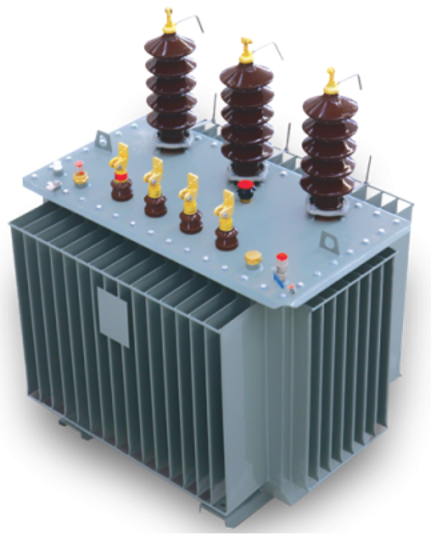
- Oil type transformers use mineral oil or ester-based fluids for both insulation and cooling. They are widely used in outdoor substations, industrial plants, and high-power applications due to their superior cooling performance and higher power ratings.
According to Application:
- Power transformers are used in generation and transmission networks. They typically have ratings from 5 MVA up to several hundred MVA and operate at high voltage levels.
- Distribution transformers step down medium voltage to low voltage (usually 400V) for end consumers. They generally have ratings up to 5 MVA.
- Step up and step down transformers are used to increase or decrease voltage levels as required by the power system.
- Instrument transformers (current transformers and voltage transformers) are used for measurement and protection purposes.
- Special purpose transformers include isolation transformers, rectifier transformers, furnace transformers, and autotransformers.
Transformer Efficiency and Winding Materials
Modern electrical transformers achieve very high efficiency levels. The choice of winding material plays an important role in both cost and performance. While copper was traditionally preferred for its excellent conductivity, aluminum windings have become increasingly popular due to lower material cost and improved manufacturing technology. Today’s high-quality aluminum wound transformers can achieve performance levels very close to copper wound units.
Even small improvements in transformer efficiency have a major impact on overall system losses because thousands of transformers operate continuously across the grid.
Role of Transformers in Power Systems
Transformers are essential at every stage of the electrical power chain:
- At power plants, step up transformers increase generator voltage for efficient long-distance transmission.
- In transmission networks, power transformers maintain optimal voltage levels.
- In distribution networks, step down transformers reduce voltage to safe levels for consumers.
- In industrial facilities, specialized transformers supply the exact voltage and power quality required by sensitive equipment.
The electrical transformer remains one of the most important inventions in electrical engineering. Its simple yet highly effective working principle, combined with high efficiency and reliability, makes it indispensable in modern power systems. Whether it is a large power transformer in a transmission substation or a dry type transformer inside a commercial building, transformers enable the safe, efficient, and economical delivery of electrical energy from generation to consumption.
Understanding the working principle of transformer, different types of transformer, and their applications helps engineers and project owners make the right selection for their specific needs.
Looking for Electrical Transformer for your project?
Looking for high-quality electrical transformer, power transformer, step down transformer, or complete solutions for types of transformer? We provide expert technical support for all your power distribution and industrial transformer needs.
For quotations and requests: info@electricistanbul.com
Whatsapp: +90 501 076 69 91