
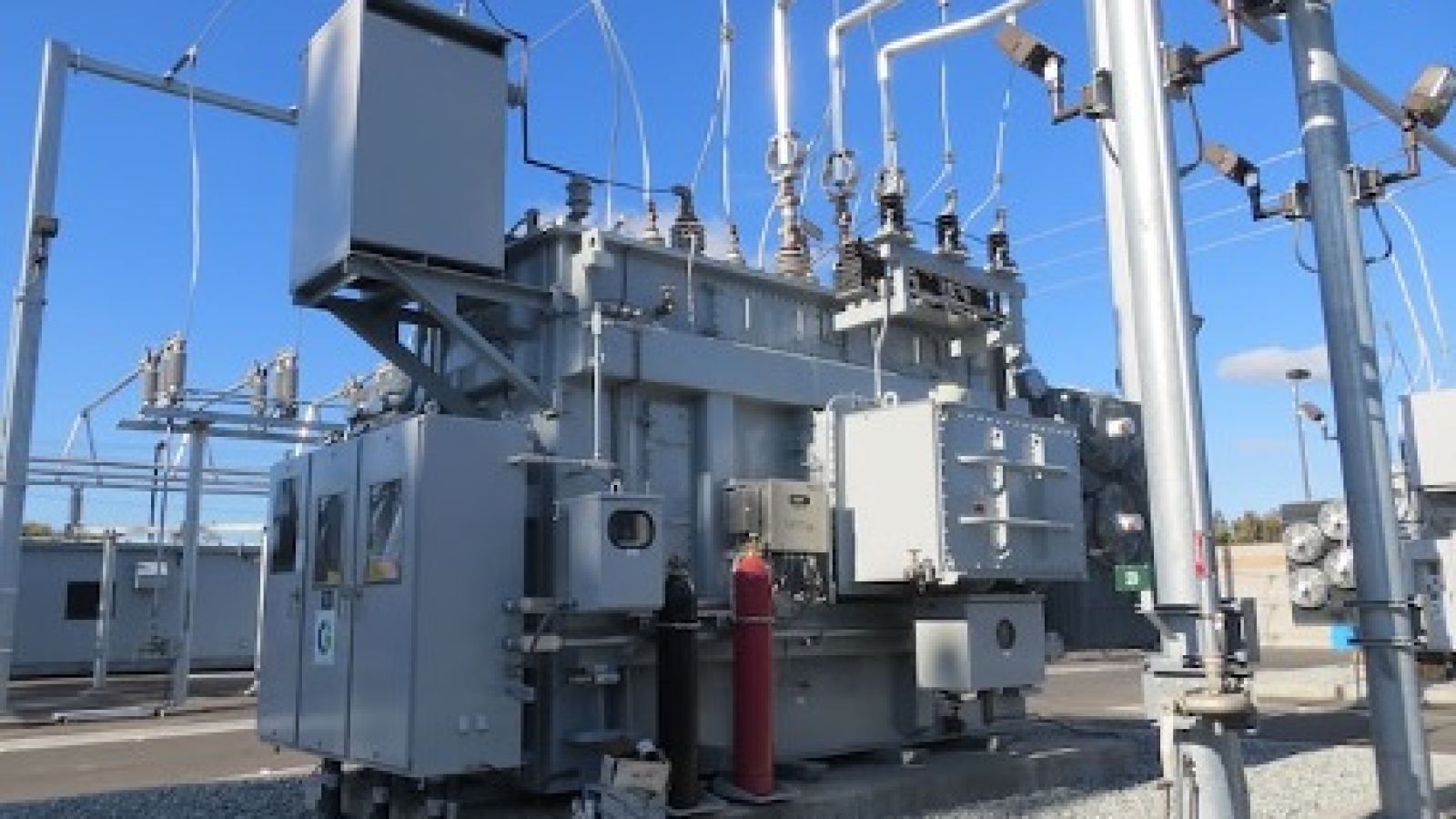
Transformer Vector Group and Connection Types (Vector Group of Transformer)
A vector group of transformer, also known as transformer connection group, defines how the primary and secondary windings of a three-phase transformer are connected and the resulting phase shift between them. Understanding the vector group of transformer is essential for correct transformer selection, system design, and especially for parallel operation of transformers.
Three-phase transformers can have their windings connected in different configurations: Star (Y), Delta (D), or Zigzag (Z). These connections determine important electrical characteristics such as neutral availability, harmonic behavior, and phase displacement.
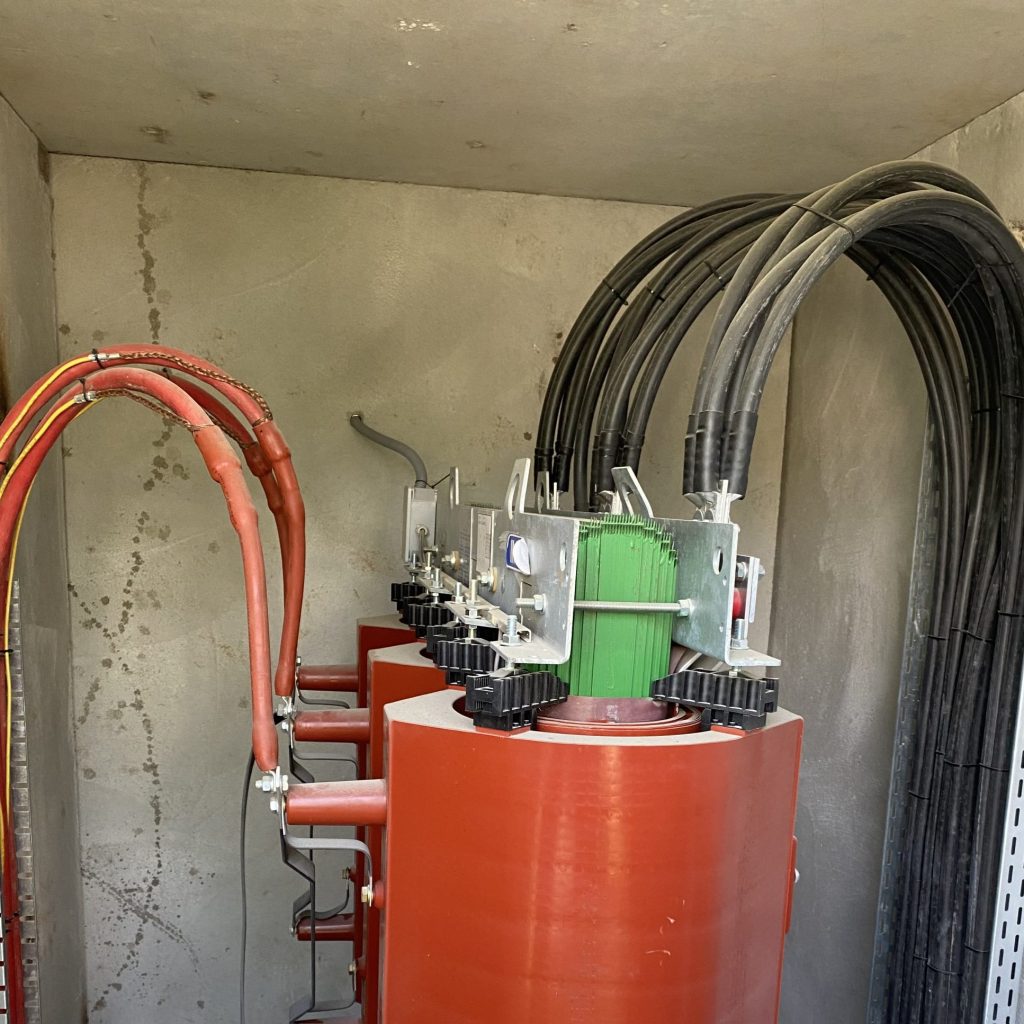
Transformer Connection Types
- Star Connection (Y or y): Windings are connected to a common neutral point. A neutral conductor is available. Denoted with capital “Y” for primary and lowercase “y” for secondary.
- Delta Connection (D or d): Windings are connected in a closed triangle. No neutral point is available. Denoted with “D” or “d”.
- Zigzag Connection (Z or z): Usually used on the secondary side. Each phase winding is split into two halves and connected in a zigzag pattern. This connection provides good performance under unbalanced loads and helps suppress certain harmonics.
The vector group is written with the primary connection first (capital letter), followed by the secondary connection (lowercase letter), and then a number indicating the phase shift.
How Vector Group Numbers Work
The number in the vector group represents the phase angle displacement between primary and secondary voltages in multiples of 30 degrees.
For example:
- Dyn11 → Phase shift = 30° × 11 = 330° (or -30°)
- Ynyn0 → Phase shift = 0°
- Yzn5 → Phase shift = 30° × 5 = 150°
This standardized notation allows engineers to quickly understand the electrical relationship between primary and secondary sides.
Most Common Transformer Vector Groups
- Dyn11 Transformer: The most widely used vector group in distribution networks. Primary: Delta (D) Secondary: Star with neutral (yn) Phase shift: 330° (or -30°)
- Ynyn0: Both primary and secondary are star connected with neutral. Phase shift: 0°.
- Ynd11: Often used in step-up applications. Primary: Star with neutral Secondary: Delta Phase shift: 330°.
- Dy0: Primary delta, secondary star. Phase shift: 0°.
- Yzn5 / Yzn11: Primary star, secondary zigzag. Preferred for low-power transformers (up to 250 kVA) to handle unbalanced loads effectively.
Why is Dyn11 transformer preferred?
- Third harmonic currents circulate within the delta primary and do not appear on the secondary side.
- The star secondary provides a neutral point, which is required for 400V distribution systems in residential and industrial applications.
- Excellent performance under both balanced and slightly unbalanced loads.
- Standard choice for distribution transformers in many countries, including Turkey.
Ynyn0 Transformer Both primary and secondary are star connected with neutral. Phase shift is 0°. This group is often used in transmission systems and when zero phase displacement is required.
Ynd11 Transformer Primary is star with neutral, secondary is delta. Commonly used in step-up applications such as generator transformers in power plants and renewable energy facilities. The neutral on the primary side allows grounding through a neutral resistor for fault current limitation.
Dy0 Transformer Primary delta, secondary star. Phase shift is 0°. Used in some distribution applications where zero phase displacement is needed.
Yzn11 / Yzn5 Transformer Primary star, secondary zigzag. These groups are preferred for low power transformers (typically up to 250 kVA) supplying areas with high single-phase load (such as rural villages or small settlements). The zigzag connection helps balance the load across phases and reduces neutral current issues.
Importance of Vector Group in Parallel Operation of Transformers
One of the most critical requirements for parallel operation of transformer is that all transformers must have the same vector group.
If two transformers with different vector groups (for example, Dyn11 and Yyn0) are connected in parallel, a phase displacement will exist between their secondary voltages. This will cause large circulating currents to flow between the transformers even when there is no external load. These circulating currents lead to overheating, increased losses, and potential damage to the transformers.
Therefore, when planning to connect transformers in parallel, verifying that the vector groups are identical is mandatory.
How to Choose the Right Vector Group
The correct vector group of transformer depends on several factors:
- System requirements for neutral (earthing)
- Need to suppress harmonics (especially 3rd harmonic)
- Whether the transformer will operate in parallel with existing units
- Application type (distribution, step-up, industrial, or rural)
- Local standards and utility specifications
In Turkey and many other countries, Dyn11 is the standard for distribution transformers because it meets both technical and operational needs of modern 400V networks..
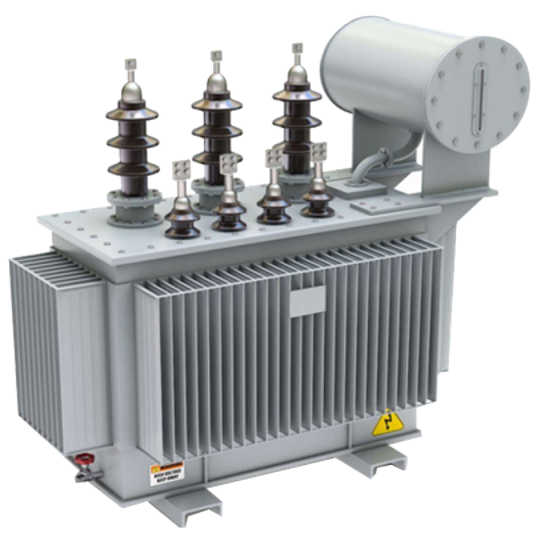
The vector group of transformer is much more than just a technical label. It directly affects system compatibility, harmonic performance, neutral availability, and the ability to operate transformers in parallel. Among all groups, the Dyn11 transformer stands out as the most common and practical choice for distribution systems due to its excellent harmonic suppression and neutral provision.
Proper understanding and correct selection of transformer vector groups are essential for safe, efficient, and reliable power system design. Whether for new installations or parallel operation of existing transformers, choosing the right vector group helps prevent operational problems and ensures long-term system stability.
Looking for Transformer for your project?
Looking for expert guidance on vector group of transformer, Dyn11 transformer, or proper selection of connection groups for your distribution and industrial projects? We provide technical support for correct transformer specification and paralleling.
For quotations and requests: info@electricistanbul.com
Whatsapp: +90 501 076 69 91